
Previously on Chiron: Six recommendations had all reached the correct conclusion—not because documentation captured every important variable, but because clinicians continued talking after the documentation was finished.
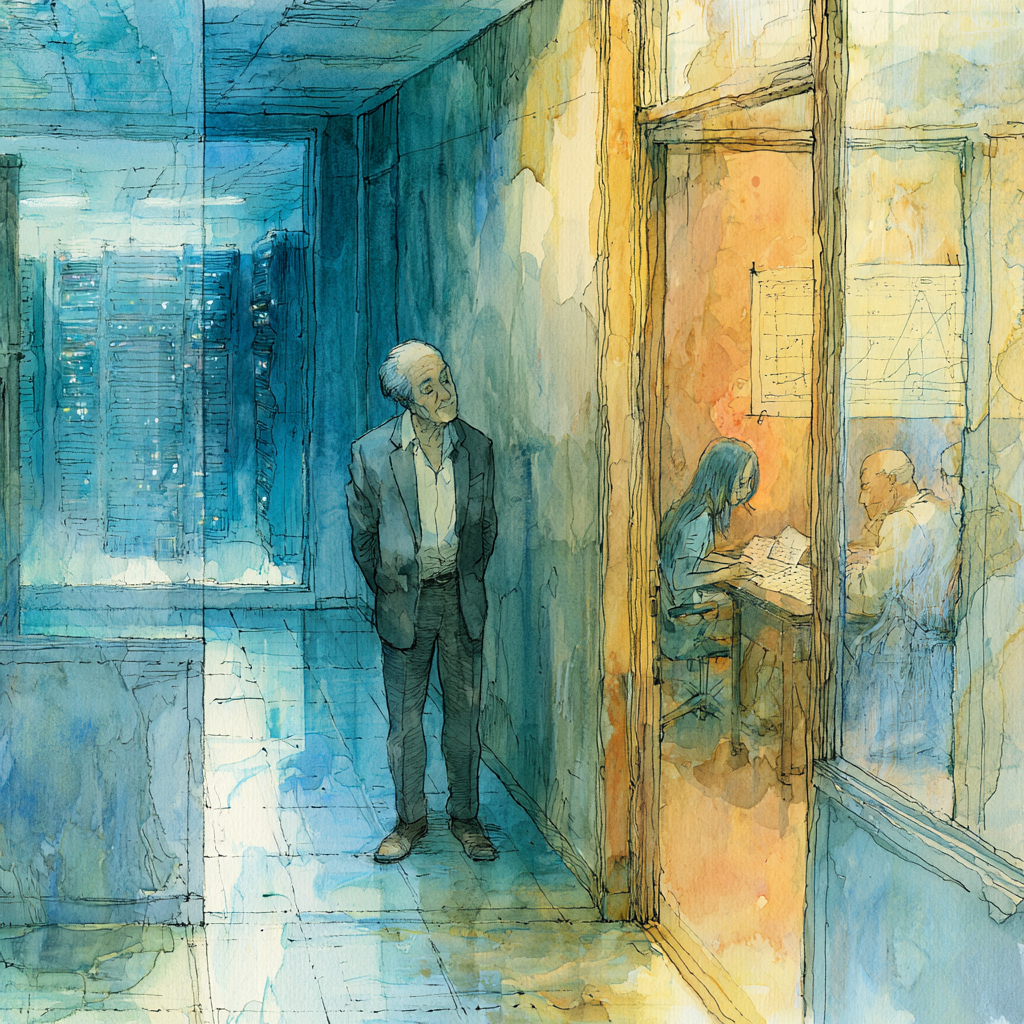
Note: All names used in Chiron are fictitious. Additionally, this is the season finale. At the end, you will find a character cheat sheet to help keep everyone straight from episode to episode.
Monday arrived without urgency. No emergency meetings. No software outage. No memo from the vendor. The dashboards still glowed green. Documentation remained timely. Authorizations continued moving through review.
Every measurable indicator suggested the organization had never functioned better.
Juniper hated how reassuring that felt. The conference room was unusually quiet. No one wasted time asking why they had been called together. The six quality assurance records from Friday remained stacked neatly in the center of the table. Nobody had moved them.
Vale opened the meeting.
“I’ve reviewed all six cases again.”
He looked around the room.
“I still can’t identify a clinical error.”
Rowan nodded.
“Because there wasn’t one.”
“The recommendations were revised.”
“Yes.”
“They became better.”
“Yes.”
Vale looked frustrated.
“So what exactly are we trying to solve?”
Nobody answered immediately.
Mercer leaned back in his chair.
“I think we’ve been asking the wrong question.”
Juniper slid one of the records toward him.
“Then ask a better one.”
Mercer read silently.
-
Stable responding.
-
Recommendation accepted.
-
Documentation complete.
-
Peer consultation.
-
Recommendation revised.
He closed the file.
“What improved?”
Rowan answered.
“The recommendation.”
“No.”
Mercer slid the record back.
“The documentation didn’t change until after the conversation.”
Juniper watched him carefully.
He wasn’t defending the platform. He was following the evidence.
“The recommendation wasn’t wrong,” Mercer continued. “It was incomplete.”
Rowan folded his arms.
“So was the documentation.”
Mercer nodded.
“Yes.”
Another silence settled over the room.
Then Hollis quietly asked,
“How would the system know about a conversation it never heard?”
Every eye drifted back to the records.
That afternoon, Juniper unlocked the old records cabinet again. Rowan joined her without asking. The archive boxes looked smaller than she remembered, as though each one represented only a fraction of what had actually happened. Juniper pulled another supervision review from 2016. Halfway down the page, the documentation stopped. Below it, handwritten notes filled the remaining space.
-
Questions.
-
Arrows.
-
Crossed-out ideas.
-
Three different pens.
Someone had clearly interrupted the review, walked into the hallway, returned twenty minutes later, and continued writing.
Rowan smiled.
“Elena.”
Juniper nodded.
“She never finished a supervision meeting where it started.”
They opened another.
More notes.
Different handwriting.
A sticky note attached to the margin: Talk to family before changing schedule.
Another.
Coffee stain.
Folded corner.
A sentence written sideways: Discuss with Patrick.
None of it existed in the digital archive.
Rowan leaned against the table.
“You know what’s funny?”
Juniper looked up.
“We spent years scanning paper because we thought we were preserving knowledge.”
She waited.
“We preserved the pages.”
He lifted one of Elena’s supervision notes.
“The thinking stayed with the people.”
Later that afternoon, Mira stopped by Juniper’s office carrying a new clinician’s treatment plan.
“I need another opinion.”
Juniper motioned toward the chair.
“What’s bothering you?”
Mira handed over the plan.
“Nothing.”
Juniper looked at her.
“That usually means something.”
Mira laughed.
“The recommendation is fine.”
Juniper continued reading.
“The rationale is fine.”
Another page.
“The documentation is excellent.”
Mira nodded.
“I know.”
Juniper finally looked up.
“So why are you here?”
Mira took a long breath.
“I had a feeling.”
Juniper said nothing.
“I can’t explain it.”
“Try.”
“The caregiver kept agreeing with everything.”
Juniper waited.
“But she stopped asking questions.”
“And?”
“I don’t know why that bothers me.”
Juniper closed the file.
“Did you write that?”
“No.”
“Why not?”
Mira looked down.
“It didn’t seem…objective.”
Another long silence.
Finally, Juniper smiled.
“It sounds like clinical judgment.”
That evening, Mercer remained alone in the conference room.
The six records were still spread across the table.
He arranged them chronologically. Then by region. Then by supervisor. Then by clinician experience. Nothing explained the pattern.
Finally he stopped looking at the records. Instead, he looked at what wasn’t there. No hallway conversations. No supervision debates. No moments where someone changed another person’s mind. No hesitation. No uncertainty. Only conclusions.
He slowly closed the final folder.
For the first time since joining the board, Mercer realized the archive had never claimed to preserve expertise. It had only preserved its residue.
Mercer remained in the conference room long after everyone else had left.
The six records still covered the table.
He sorted them one final time. By clinician. By supervisor. By region. By year of experience.
Nothing explained the pattern.
He leaned back.
