
Note: All names used in Chiron are fictitious.
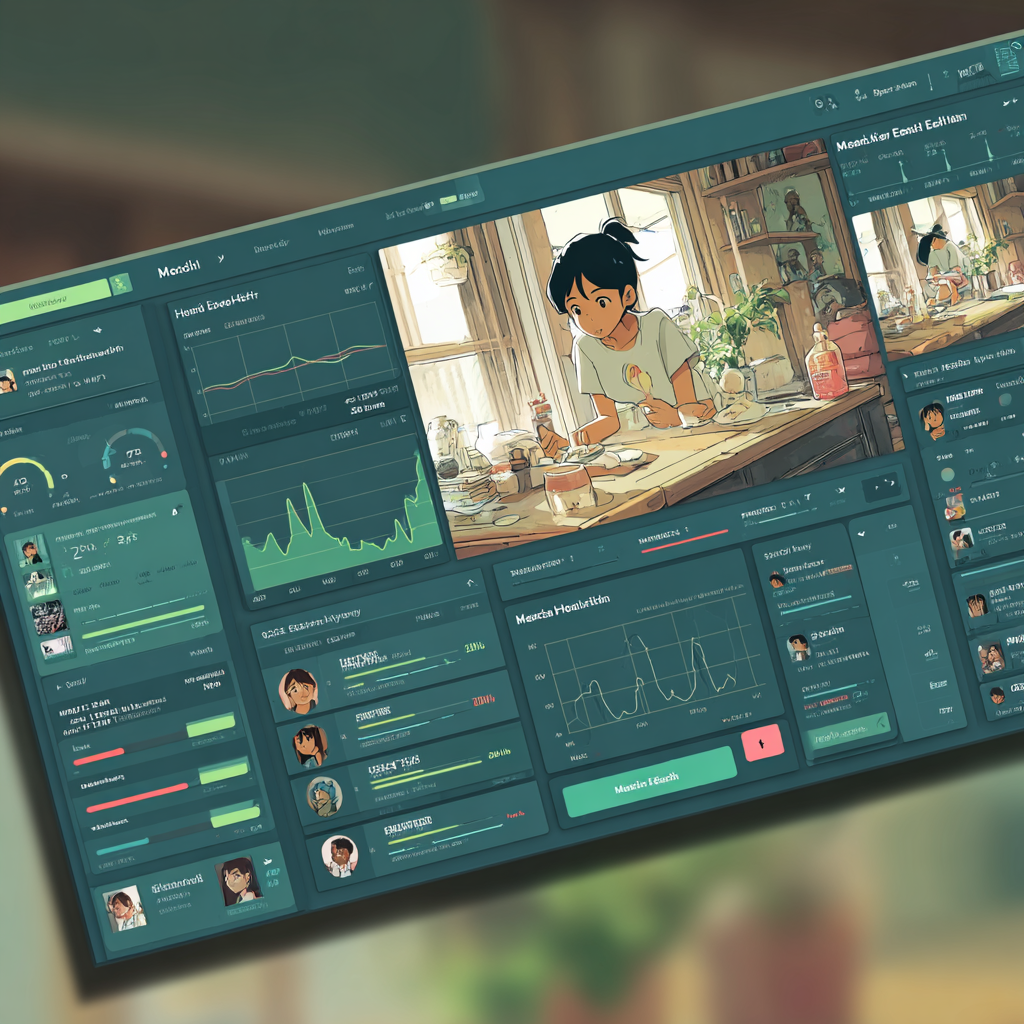
By the time Samira got to the office, the dashboard had already made up its mind. A bright green banner sat at the top of the screen: “Model Health: Excellent". Below it, a queue of clients was tagged with tidy labels: Low risk. Moderate risk. High risk. Everything looked crisp—clean typography, reassuring colors, a single number labeled “Accuracy: 92%".
Samira, a clinical director who had been in the field long enough to distrust anything that felt too smooth, clicked into a “high risk” case. The tag was driving real workflows: who got scheduled sooner, which cases were escalated, which families received extra outreach.
The family on the screen didn’t match the label. The context didn’t match either.
Samira called Jordan, the operations analyst who helped translate dashboards into real-world process changes. Jordan joined the call with the practiced optimism of someone who has learned to love automation.
“It’s performing really well,” Jordan said, pointing at the 92%. “And the vendor said it retrains monthly".
Samira stared at the green banner again. Covertly, she thought, “that still means it’s wrong one out of ten times". She felt the gravitational pull of it. The same pull that makes people accept a GPS route even when the road is clearly closed.
In Idiocracy, society doesn’t fall apart because people hate thinking. It drifts because systems make thinking feel unnecessary. The output looks official. The interface feels authoritative. The friction disappears. And slowly, human judgment stops getting reps.
Samira didn’t want to wage war on the model. She wanted to place it correctly in the clinic’s ecosystem. That meant answering seemingly simple questions:
What makes this a good model for us? And how would we know, early, if it stops being a good model for us?
A “Good Model” Is Not a High Score
Jordan had been trained, like most of us, to look for a single number. Accuracy. AUC. F1. Something clean. But clinical work has costs, and costs are not symmetric.
A false negative in a risk model might mean a family who needed support doesn’t get flagged. A false positive might mean the system steals attention from cases that truly need it.
So Samira reframed the conversation away from overall performance and toward usefulness under the clinic’s consequences. Not philosophical consequences. Operational consequences.
- Who gets prioritized?
- Who gets delayed?
- What decisions become easier?
- What errors become invisible?
If you remember only one thing from this issue, make it this:
A model is “good” when it is reliable enough to support a decision you are willing to defend. Not because the model is impressive, but because the workflow consequences are acceptable.
