
Racks of objects filled the white void. Neo turned slowly. “This… this isn’t real?”
Morpheus smiled. “What is real? How do you define real? The Construct is the loading program. We can load anything—from clothing, to equipment, to training simulations. Anything we need.” - The Matrix (1999)
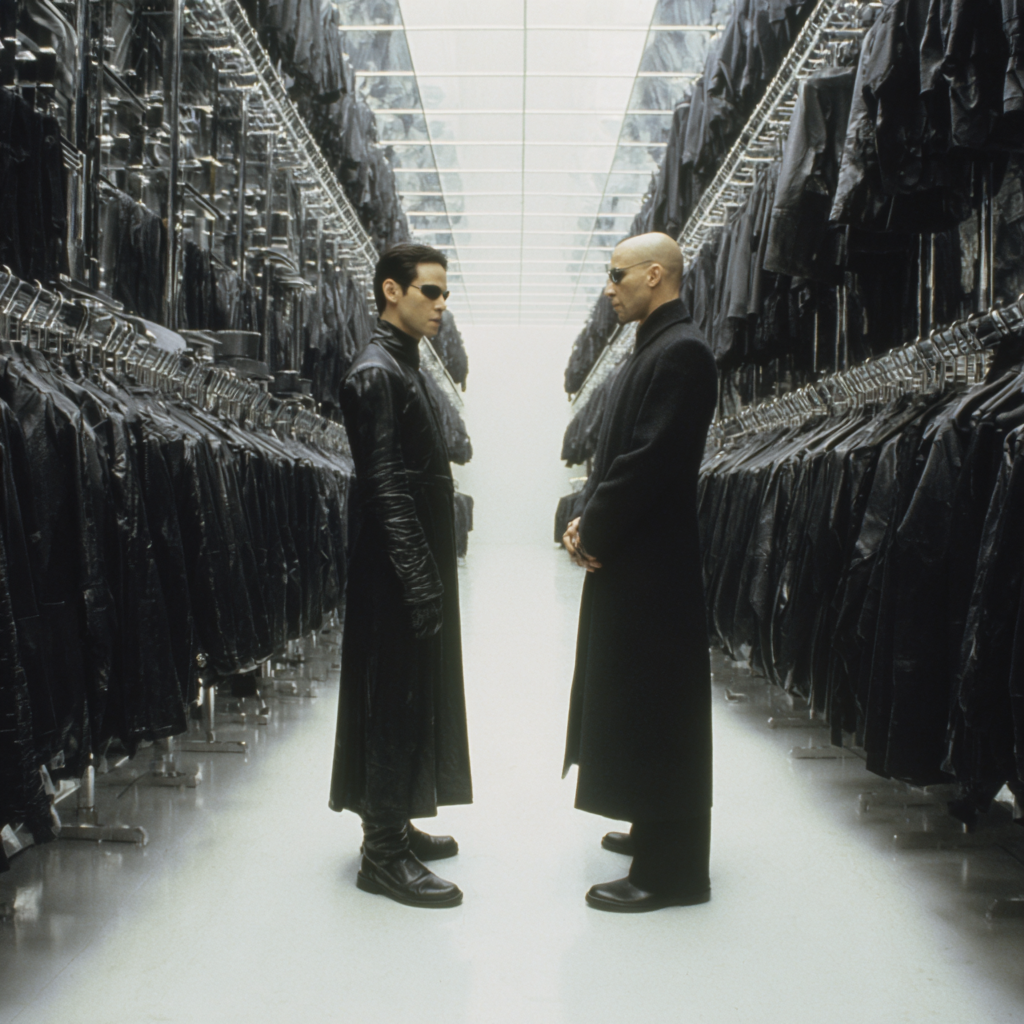
Today, ABA professionals find themselves in a similar Construct. The rise of AI presents us with tools—endless, polished, and powerful. But the crucial question isn’t can we use them. It is: which should we use, and which must remain locked away?
This newsletter takes you through the line we must draw. Where AI can safely support our work today. Where it should never tread. And how we, like Neo, must learn to see through the illusion of limitless tools to the disciplined awareness of application.
The Current Landscape of AI in ABA
Think of the daily rhythm in a clinic: session notes to write, parent trainings to run, data to summarize, insurance reports to complete. Much of this is necessary but repetitive, and none of it requires uniquely human judgment in every step.
Here, AI already shows its strength. Modern systems can:
- Transcribe sessions in real time.
- Draft summaries of notes or meetings.
- Generate visualizations from data streams.
- Create accessible staff training materials tailored to different reading levels.
- Assist with scheduling and documentation.
These are supportive functions. These are scaffolds that reduce effort, freeing clinicians and administrative employees to focus on analysis and interaction. Just as a visual prompt can help a learner complete a task more independently, AI prompts us toward efficiency—without replacing the functional skills required.
